Close Menu
  • Home
  • Start Here
  • About
  • Guides
    • Security Cameras
    • DIY Alarm Systems
    • Smart Locks
    • Video Doorbells
    • Smart Home Security
    • Buying & Setup Guides
  • Contact

Build Your Security Plan

Practical DIY guidance for U.S. homeowners and renters.

Start with the checklist
Start Here

Self-Monitoring vs. Professional Monitoring: How to Choose

Home Security Costs: Build a Three-Year DIY Budget

Renter-Friendly Home Security: Plan a Portable DIY Setup

Facebook X (Twitter) Instagram
  • Home
  • Start Here
  • About
  • Guides
    • Security Cameras
    • DIY Alarm Systems
    • Smart Locks
    • Video Doorbells
    • Smart Home Security
    • Buying & Setup Guides
  • Contact
Facebook X (Twitter) Instagram Pinterest
MARTIN GUARD
Start Here
HOT TOPICS
  • Start Here
  • Security Cameras
  • DIY Alarm Systems
  • All Guides
MARTIN GUARD
You are at:Home»DIY Alarm Systems»DIY Alarm Systems: A Practical Starter Guide
DIY Alarm Systems

DIY Alarm Systems: A Practical Starter Guide

bmichartBy bmichartNovember 6, 2026012 Mins Read
Share Facebook Twitter Pinterest LinkedIn Tumblr Email
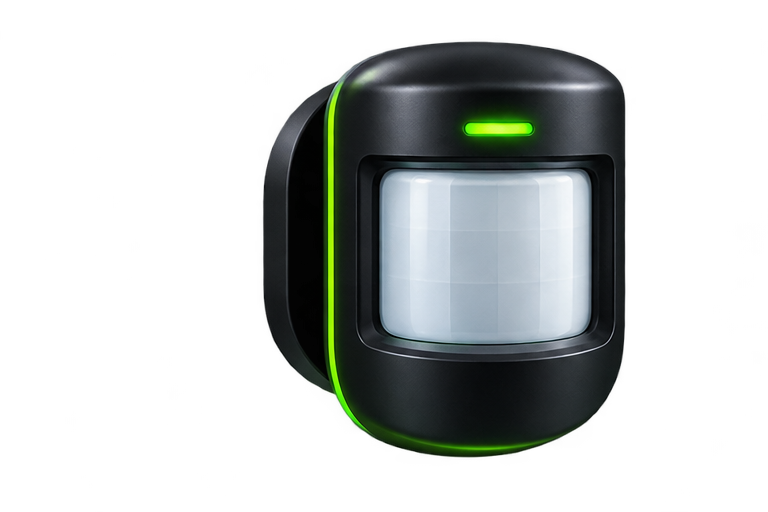
Illustration of a home security motion sensor
Illustrative artwork; not a photograph of a tested product.
Share
Facebook Twitter LinkedIn Pinterest Email

A useful DIY alarm system starts with a household routine: which doors people use, who arms the system, and what happens when an alert arrives. Cameras provide a view of an event; alarm sensors report changes such as a door opening. They can work together, but they do different jobs.

Start with a map of entry points

List exterior doors, accessible windows, the garage connection, and any detached area you want to cover. Prioritize frequently used entries and vulnerable access points. Do not buy a large bundle just because it contains many sensors. Count what your home needs and check that the hub supports those exact devices.

Understand the main parts

  • Hub or base station: coordinates compatible sensors and alerts.
  • Entry sensors: report whether a door or window is open.
  • Motion detectors: monitor activity in a chosen interior area.
  • Keypad or app: controls arming and disarming.
  • Siren: provides a local audible warning when configured.

Communication between sensors and the hub may use a proprietary radio, Wi-Fi, or another supported protocol. Matching logos or a shared voice assistant do not guarantee that a sensor can trigger the alarm. Confirm compatibility in the manufacturer’s documentation.

Decide what should happen after an alarm

With self-monitoring, you or a trusted person need to receive and assess alerts. Professional monitoring can add a response center under the provider’s terms. Ask about cellular backup, supported alarm types, verification procedures, cancellation, and local permit requirements. See our monitoring comparison before committing to a plan.

Install and test one zone at a time

Pair and label each sensor before mounting it. Use names that identify the real location, such as “back kitchen door.” Follow the sensor gap and placement instructions. Test each door or window in the app, then test in the system’s designated test mode. If monitoring is active, arrange testing with the provider so the test does not become a real dispatch request.

Plan for ordinary household mistakes

Set entry delays that allow normal arrival without making the system difficult to use. Review pet guidance for motion sensors. Give household members their own access where supported and practice disarming without sharing an administrator password. Put spare batteries and routine checks on your maintenance list.

Read the entry sensor installation guide and the false alarm checklist to finish the setup.

Share. Facebook Twitter Pinterest LinkedIn Tumblr Email
Previous ArticleLocal vs. Cloud Camera Storage: Costs, Privacy, and Backup
Next Article How to Install Door and Window Sensors Correctly
bmichart
  • Website

Related Posts

DIY Home Security Checklist: Plan Your Setup Step by Step

November 6, 2026

How to Secure Wi-Fi for Your Smart Home

November 6, 2026

Video Doorbell Buying Guide for U.S. Homes and Apartments

November 6, 2026
Add A Comment
Leave A Reply Cancel Reply

Start Your DIY Security Plan

Choose practical protection for your home, budget, and everyday routine.

Read the checklist

Essential Security Guides

Self-Monitoring vs. Professional Monitoring: How to Choose

November 6, 2026

Home Security Costs: Build a Three-Year DIY Budget

November 6, 2026

Renter-Friendly Home Security: Plan a Portable DIY Setup

November 6, 2026
Latest Security Guides

Self-Monitoring vs. Professional Monitoring: How to Choose

By bmichartNovember 6, 2026

Home Security Costs: Build a Three-Year DIY Budget

By bmichartNovember 6, 2026

Renter-Friendly Home Security: Plan a Portable DIY Setup

By bmichartNovember 6, 2026

Build Your Security Plan

Practical DIY guidance for U.S. homeowners and renters.

Start with the checklist

Questions or Corrections?

Email info@martinguard.com. Include the guide URL and keep passwords and access codes private.

Security Planning

Self-Monitoring vs. Professional Monitoring: How to Choose

November 6, 2026

Home Security Costs: Build a Three-Year DIY Budget

November 6, 2026

Renter-Friendly Home Security: Plan a Portable DIY Setup

November 6, 2026
Latest DIY Guides

Self-Monitoring vs. Professional Monitoring: How to Choose

Home Security Costs: Build a Three-Year DIY Budget

Renter-Friendly Home Security: Plan a Portable DIY Setup

Build Your Security Plan

Practical DIY guidance for U.S. homeowners and renters.

Start with the checklist
© 2026 MARTIN GUARD. DIY Home Security Guides.
  • About
  • Editorial Policy
  • Affiliate Disclosure
  • Privacy Policy
  • Contact

Type above and press Enter to search. Press Esc to cancel.