
A renter-friendly setup should protect the home without creating avoidable problems with the lease or shared spaces. Start with permission, then choose devices you can maintain and remove cleanly. “No drill” describes a mounting method; it does not automatically make an installation permitted or damage-free.
Check permission and existing equipment
Read your lease and building rules before changing locks, wiring a doorbell, or recording a shared hallway. Ask the landlord about broken locks or latches. Keep required building access arrangements intact and do not modify fire doors or emergency exit hardware.
Prioritize portable devices
Adhesive entry sensors and an appropriately placed indoor camera may be easier to move than permanent wiring. Check adhesive instructions, surface compatibility, and removal methods. An alarm hub still needs reliable power and communication, and battery devices still need routine maintenance.
Be careful with doorbells and smart locks
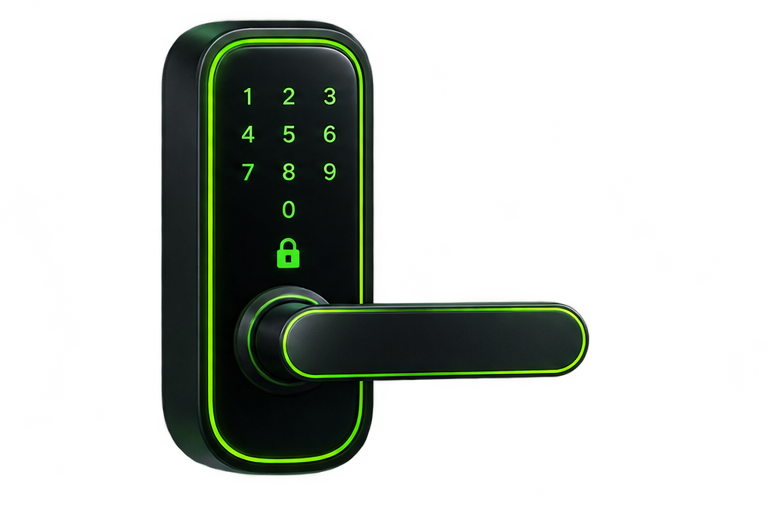
A removable doorbell bracket may suit a door without drilling, but check fit, door operation, building permission, and the camera’s view. A retrofit smart lock may retain exterior hardware yet still require authorization. Keep the original parts and document any approved change.
Respect shared-space privacy
Focus a camera on your own entrance where permitted and avoid unnecessary views of neighbors’ private areas. Activity zones do not necessarily prevent recording outside the zone. Check audio settings and the requirements that apply to your location before enabling recording in shared areas.
Prepare for moving day
- Export any clips you need to keep before changing subscriptions.
- Remove guest access and old address automations.
- Unlink devices that remain with the property.
- Restore approved original hardware where required.
- Reset and reconfigure portable devices securely for the next home.
Compare the smart lock options and video doorbell requirements before purchasing. Use the main planning checklist to keep the system manageable.
